

Providing a really good source of protein along with plenty of vitamins and minerals, fish plays a prominent role in a healthy, balanced diet, and nutritionists recommend that you eat two portions per week, ensuring that one of them is oily fish, such as salmon or mackerel. So if you’re planning your weekday meals, searching for a new recipe idea, or hoping to boost your confidence when cooking fish, you can browse through our helpful tips, useful tricks, and delicious recipes for fish that never disappoints.
Don't be intimidated
Baking fish can throw a lot of us out of our culinary safe zone, but it is well worth the effort to prepare properly to have a winning end result. Due to the rapid speed that fish can cook at, if you've done your preparation work in the form of pre-weighing out and assembling all ingredients (and had a read of the whole method) then you can be in and out of the kitchen and achieve a perfectly cooked result – try it out with one of our guaranteed to succeed fish recipes like our fish pie with kippers if you need to feed an army!
Buy the best you can afford
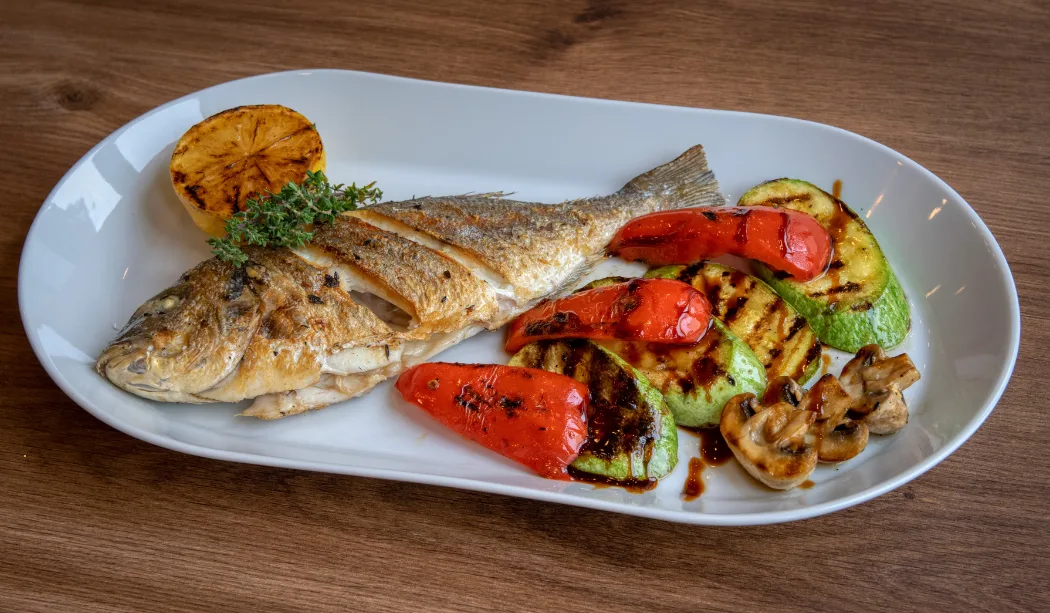
People will have varying budgets for fish; however, if you can make a purchase of good fish, try not to settle for lesser quality. Experts recommend that you only buy your fish from a reputable fishmonger who employs knowledgeable staff that can inform you about the fish that is line-caught or sustainable. You should actively engage your five senses, including sight and touch, to assess what the fish is like when you are making a purchase. Whole fish or filleted fish should feel firm and not soft and flabby, while fresh whole fish must be firm and not floppy. Strong smells from fish usually indicate that you are dealing with an old product, and the body or eyes of a whole fish should always appear clear and bright, with gills that look just as red.
Check for bones
When you buy whole fillet from fish, or particularly from salmon and cod, you sometimes find pin bones left in. You can get the pin bones out by using a pair of tweezers or a very small pair of pliers. Move your finger along the length of the fillet, and it will not take too long to find any. You must pull in the direction that they grow.
Check for doneness
You can check various ways to determine whether or not your fish has had enough time to cook. By the time your fish finishes cooking, you should give it a light squeeze – it should feel firm and resistant. Alternatively, you can cut into the thickest part of the fish, pulling away the flesh – the fish should look opaque and flake easily when cooked. If you’re wary of getting your fish right, try our smoky bean and monkfish stew first - only a few minutes of cooking is needed, and the fish cannot overcook so much as to stay dry. Alternatively, you can use hake if monkfish proves a little pricey.
Make use of frozen fish
Frozen fish works well as an option if fresh fish is unavailable, and keeping a freezer stocked serves as a convenient backup for mid-week cooking. You won't need to thaw the fish prior to cooking if you're pressed for time, but doing so will help prevent sogginess, and you should check to ensure your frozen fish is truly solid—look for no ice crystals forming that might indicate it's starting to thaw. Make sure to check for any breaches in the packaging and examine for signs of freezer burn, which appear as tell-tale white, dried areas that suggest the fish is unlikely to be good to eat. Discover just how wonderful frozen seafood can be by trying our Recipe of the Week for Garlic Pepper Butter Prawns.
Love the skin your fish is in
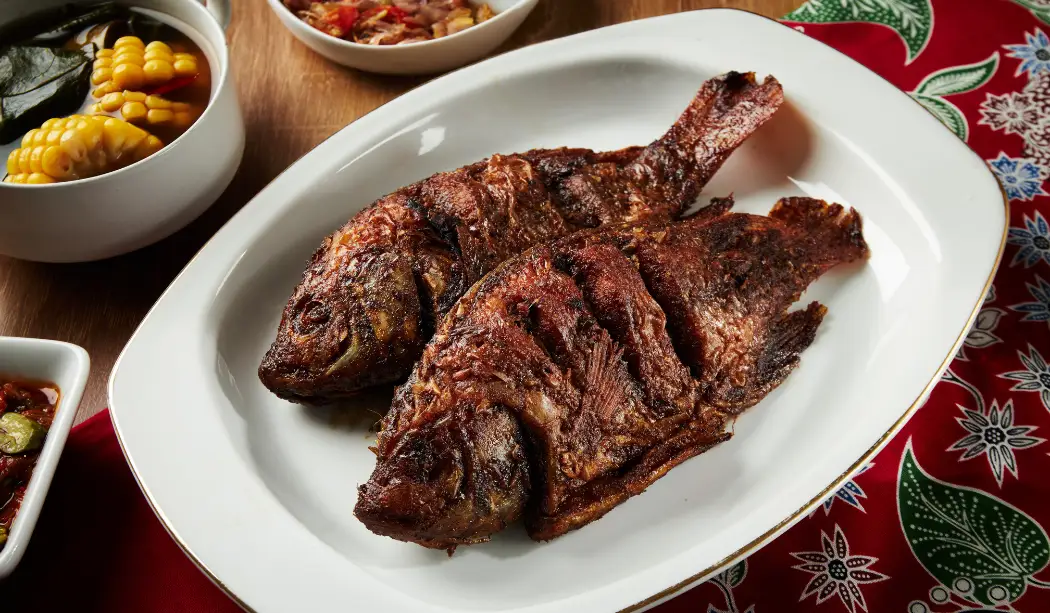
In pan-frying and grilling, you can leave skin on the fish as long as it is nice and crispy - it is perfectly enjoyable if it is. Alternatively, if you do not want it, you can peel the skin off in one piece after you cook it, and pan-fried crisp salmon skin is a particularly effective ingredient in our pan-fried Cajun recipe with quinoa & sweetcorn, which would be an appropriate match for the recipe and makes it quite healthy.
Use baking paper to prevent sticking
There's something truly magical about fish with a crispy skin, nestled on a flaky white fillet, the only caveat is that the skin has a real tendency to stick to your pan. If you'd rather not end up scraping bits of scale off your cookware, then head on over to this TikTok hack. You just have to heat up some cooking oil and coat a small rectangle of baking paper in the oil, and place that in the pan below your fish, skin-side down. Your fish skin should crisp, just without sticking!
Frequently Asked Questions on Cooking Fish Perfectly
1. How do I know when my fish is fully cooked?
The most reliable indicator is when the flesh turns opaque and easily flakes apart with a fork along the thickest part. If you are using a digital meat thermometer, the internal temperature should reach 63°C (145°F) for finfish. Keep in mind that fish continues to cook slightly from residual heat after you remove it from the heat source, so it is best to take it off just before it looks entirely done.
2. Why does my fish always stick to the pan or grill?
Fish sticking usually happens for two main reasons: the cooking surface wasn't hot enough, or the fish was placed on the surface while still wet. To prevent sticking, always preheat your pan or grill thoroughly, make sure the cooking surface is lightly oiled, and pat the fish completely dry with paper towels before cooking. Additionally, avoid trying to flip the fish too early; it will naturally release from the surface once a proper crust forms.
3. How can I get rid of the strong "fishy" smell when cooking?
Fresh fish should have a mild, clean aroma of the sea rather than a strong, unpleasant odor. If you want to neutralize a fishy smell, soak your fillets in milk for 15 to 30 minutes before cooking, as the casein in milk binds to the compounds that cause the strong odor. Alternatively, splashing a little lemon juice or vinegar on the fish can also help freshen it up.
4. Is it better to cook fish with the skin on or off?
Cooking fish with the skin on is generally recommended because the skin acts as a protective barrier that keeps delicate flesh from falling apart, especially on a grill or in a hot pan. The fat layer beneath the skin also helps keep the fish moist and flavorful. You can easily eat the skin if it gets crispy, or simply slide your fork between the flesh and skin to leave it behind on your plate.
5. What is the best way to thaw frozen fish safely?
The safest method is to transfer the frozen fish from the freezer to the refrigerator and let it thaw slowly overnight. If you are pressed for time, you can place the vacuum-sealed fish in a bowl of cold tap water, changing the water every 15 to 30 minutes until it thaws completely. Never thaw fish in warm or hot water, as this encourages uneven thawing and bacterial growth.
.