
If you come across a Chinese eatery in the States, you probably know General Tso's chicken, crab rangoon, and chop suey before you even look at the menu. The joke is that a number of the dishes Americans believe to be Chinese originated outside of China (or at least abroad) and Chinese immigrants put them together while experimenting with local ingredients or making adjustments for American taste buds. It doesn't mean they aren't delicious, but it does mean you could drive across China and not see them once.
General Tso’s Chicken
You may have heard of it as a regional Chinese dish, but it's a rare Chinese dish that resembles the American-Chinese dish of the same name: You won't find the sticky, deep-fried version of General Tso's chicken in China. Chef Peng Chang-kuei actually created the dish in Taiwan prior to the American versions that became popular, which tend to be sweeter.
Crab Rangoon
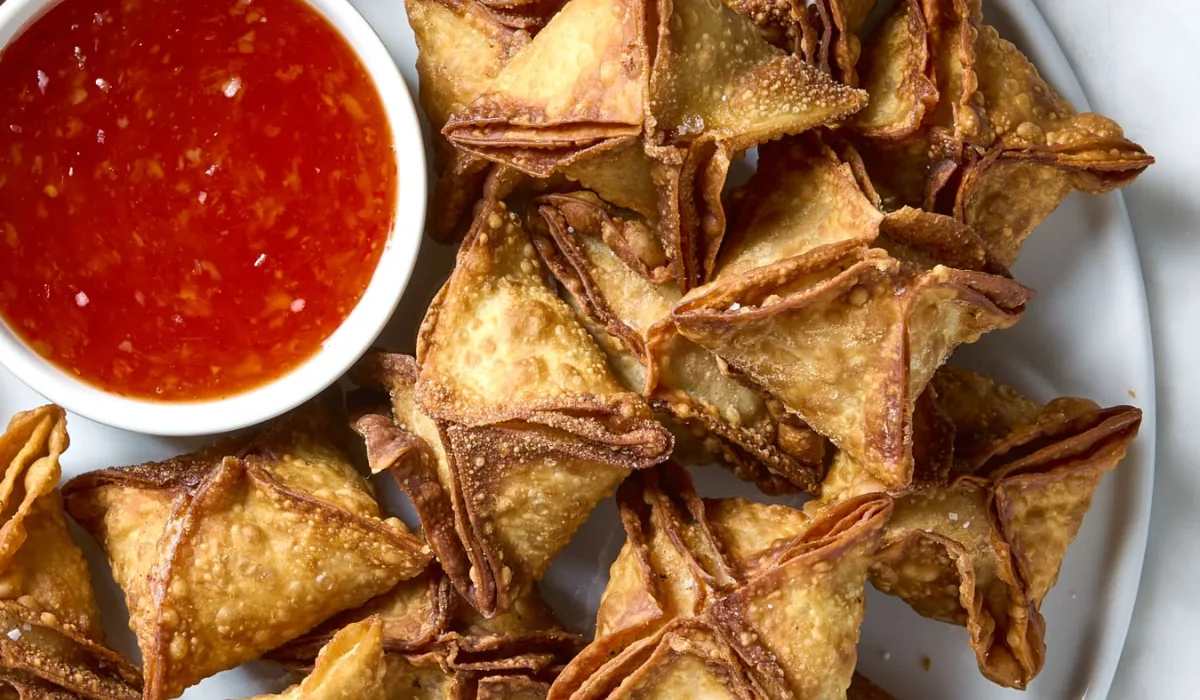
Though shaped like a wonton wrapper and found on almost every Chinese takeout menu, crab rangoon is not a Chinese dish. Many chefs usually fill it with a combination of cream cheese and imitation or real crab, and diners generally associate cream cheese more with Philadelphia than China. These crispy little puffs of love became a hit at American restaurants, where heavy dairy-based fillings were a common thing.
Fortune Cookies
There is perhaps no better signifier of the modern "Chinese food in America" experience than the crumbling opening of a fortune cookie once the meal has been finished. But oddly enough, the cookie itself is not Chinese, and it inspired more by the history of Japanese-American cuisine in California. When many Japanese companies shuttered during World War II, Chinese restaurant owners in America began producing the fortune cookie as an end-of-meal tradition.
Chop Suey
Chop suey has long appeared on Western Chinese restaurant menus, although the dish has remained somewhat mysterious for over a century. The Americanized chop suey generally includes meat, vegetables, and a sauce that cooks have thickened. Chinese cooks often stir-fry various ingredients, but no widely recognized national Chinese dish exists that's like the Americanized takeout version.
Orange Chicken
That orange-glazed chicken fried to a crisp has become a fixture in food courts nationwide. Orange-flavored meat dishes appear in Chinese cuisine, but the ultra sweet, battered version most Americans are accustomed to actually originates from Chinese-American inventors. Its sugary citrus syrup and batter-slicked fried exterior cater to eaters looking for something full-flavored with very little heat. You may taste a version of that in China, but that particular mall food court classic probably isn't one of them.
Beef and Broccoli
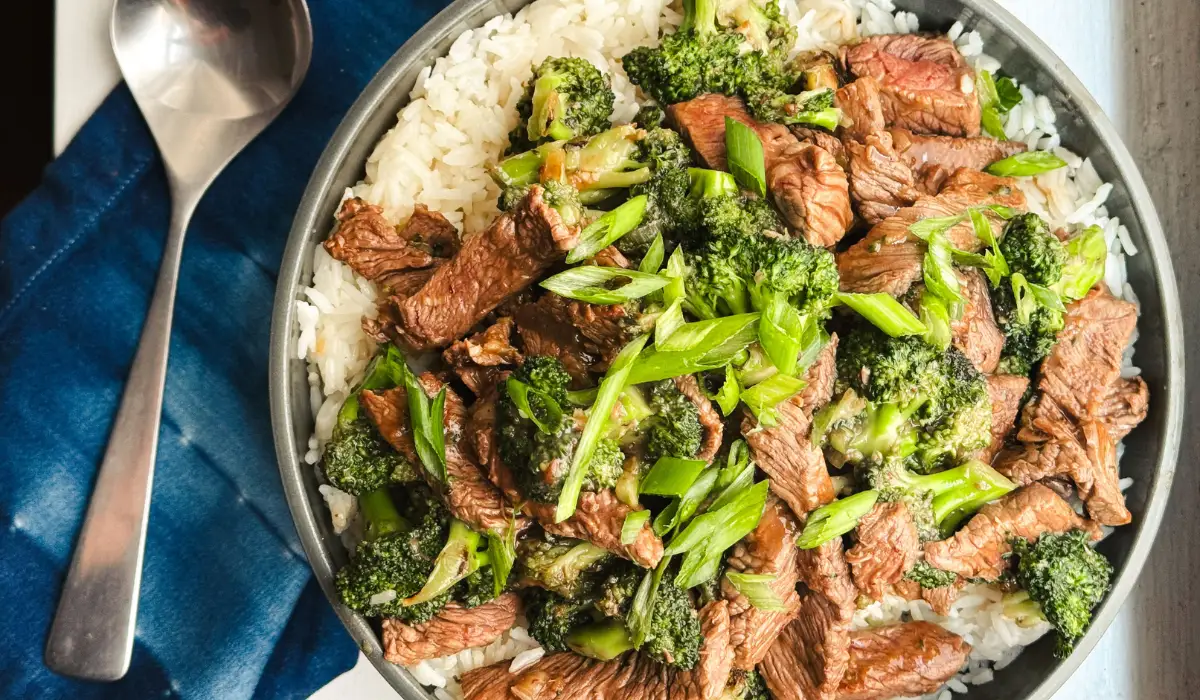
Beef and broccoli seem simple enough that you might think it's an ordinary Chinese dish. However, there's a problem: Western broccoli, which most American restaurants in China readily offer, has not been eaten in China for over 50 years. You can get beef and greens in China, just not like this.
Sweet and Sour Chicken
Sweet-and-sour flavors truly originate in a number of Chinese cuisines, so this one isn't entirely divorced from the Chinese experience. What you're unlikely to come across is the candy-colored, kid-friendly sauce that restaurants ladle onto crispy-fried battered chicken chunks just as they do in many American Chinese restaurants. Western preparations became sweeter, gloopy and showier.
Sesame Chicken
Sesame chicken usually pairs next to General Tso's chicken on an American Chinese takeout menu, and people can confuse the two. In its American version, chefs make sesame chicken by frying chicken, smothering it in a sweet glaze, and topping it with sesame seeds. Sesame seed - sesame – is common in Chinese cuisine, but that doesn't mean every dish with sesame is Chinese.
Cream Cheese Wontons
The base of these cream cheese wontons is the quintessential Chinese wrapper, but someone has stuffed them with something decidedly more American. The other main ingredients in traditional Chinese cuisine aren't the kinds of things you'd normally find in a filling, which gives away the departure from the original recipe. People widely enjoy them at Chinese-American restaurants as a crunchy, creamy starter.
Chicken Chow Mein, American Takeout Style
Chow mein is indeed Chinese, and fried noodle dishes are widespread in China. But many old American Chinese restaurants call chow mein (or egg foo yung), and some love meat, celery, cabbage, and big sauces more than the noodles. Get fried noodles in China and you'll get what you want, but don't expect them to match the take-out version you grew up with.
Bourbon Chicken
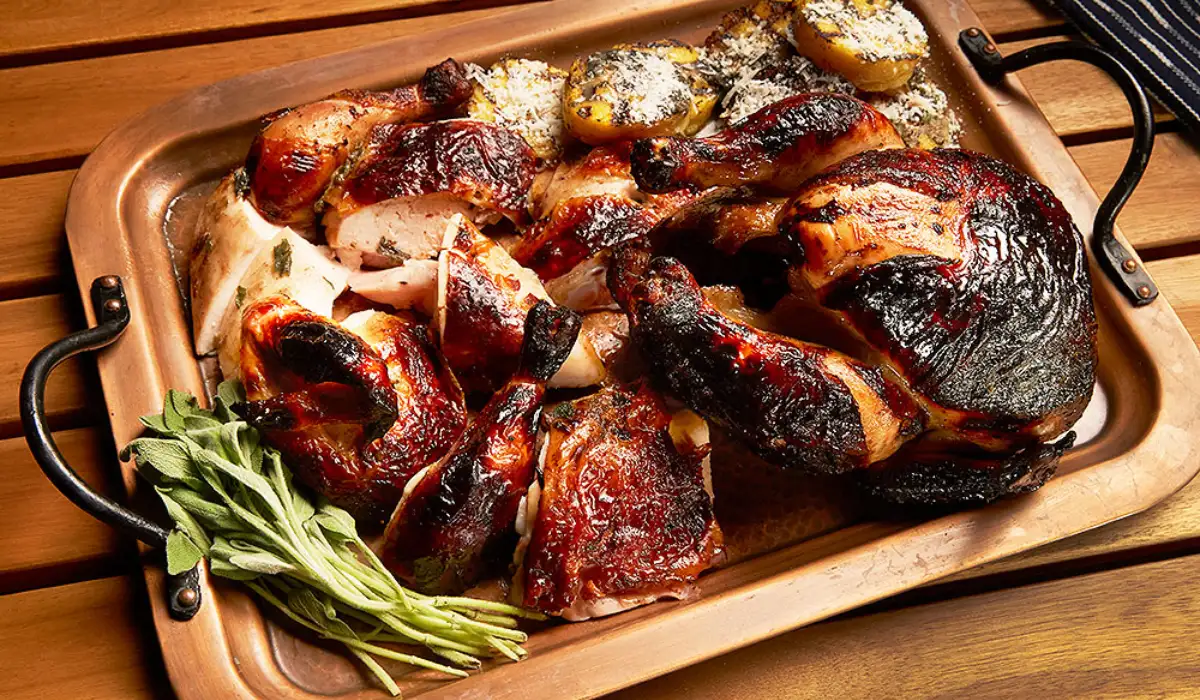
Just based on the name, you might have a few questions about whether bourbon chicken really counts as "authentic" Chinese food. Generally speaking, food courts or other less formal dining environments serve it, and large pieces of chicken slathered in a sweet/savory sauce that may or may not have bourbon in it make it up. Restaurants in America offer it more than regional Chinese ones.
FAQ's
Q1: Why General Tso’s Chicken and Crab Rangoon Are Rare in China
A1: They were invented or heavily modified in North America (or Taiwan) to suit Western palates, utilizing local ingredients like cream cheese and heavy sweet-and-sour frying batters that do not match traditional mainland Chinese culinary traditions.
Q2: Are fortune cookies actually a Chinese tradition?
A2: No, fortune cookies did not originate in China. They trace their roots back to Japanese tea cakes containing written fortunes and were popularized by Japanese-American and Chinese-American restaurateurs in the US.
Q3: Is Beef with Broccoli served in authentic Chinese restaurants?
A3: Rarely in its Westernized form. Traditional Chinese cuisine uses broccoli’s close relative, Chinese broccoli (gai lan), and relies much more heavily on pork or chicken rather than large portions of beef.
Q4: American Egg Rolls vs. Chinese Spring Rolls
A4: American egg rolls feature a thick, bubbly, wheat-and-egg dough wrapper stuffed with cabbage and cooked meat, whereas traditional Chinese spring rolls use thin, delicate wrappers with entirely different regional fillings.
Q5: Are Chop Suey and Orange Chicken Only Found Abroad?
A5: Mostly, yes. Chop Suey was created by Chinese immigrants in America using accessible local vegetables, and Orange Chicken was commercialized in Western fast-food chains, making them virtually non-existent in everyday Chinese eateries.
.