
What do you think of when you think of medieval dinners? Likely, you imagine a gray, lumpy meal eaten at night by candlelight and flavored with tears. In fact, medieval fare could be far more diverse. Medieval cooks used tart grape juice and pungent spices from distant lands and, in the luxury homes of the wealthy, they used copious amounts of saffron and cinnamon to dress up even simple cabbage soup. Here are 20 recipes from medieval cookbooks that show the fare was not quite as dull as we imagine it to be.
Blancmange: The "Pudding" That Was Actually Savory Chicken
Today, a blancmange often brings to mind a sweet, creamy dessert – but that hasn't always been the case. Back in the Middle Ages, the word meant something else altogether. The Forme of Cury – a cookbook created at the court of King Richard II – provided a recipe for "blans mangier," a dish that cooks by boiling chopped capon with rice, sugar and almond milk until the mixture becomes thick and white. It then contains white ginger – but if you want it to remain white, don't add any saffron or cinnamon.
Cameline Sauce: Cinnamon on Your Steak, No Camel Involved
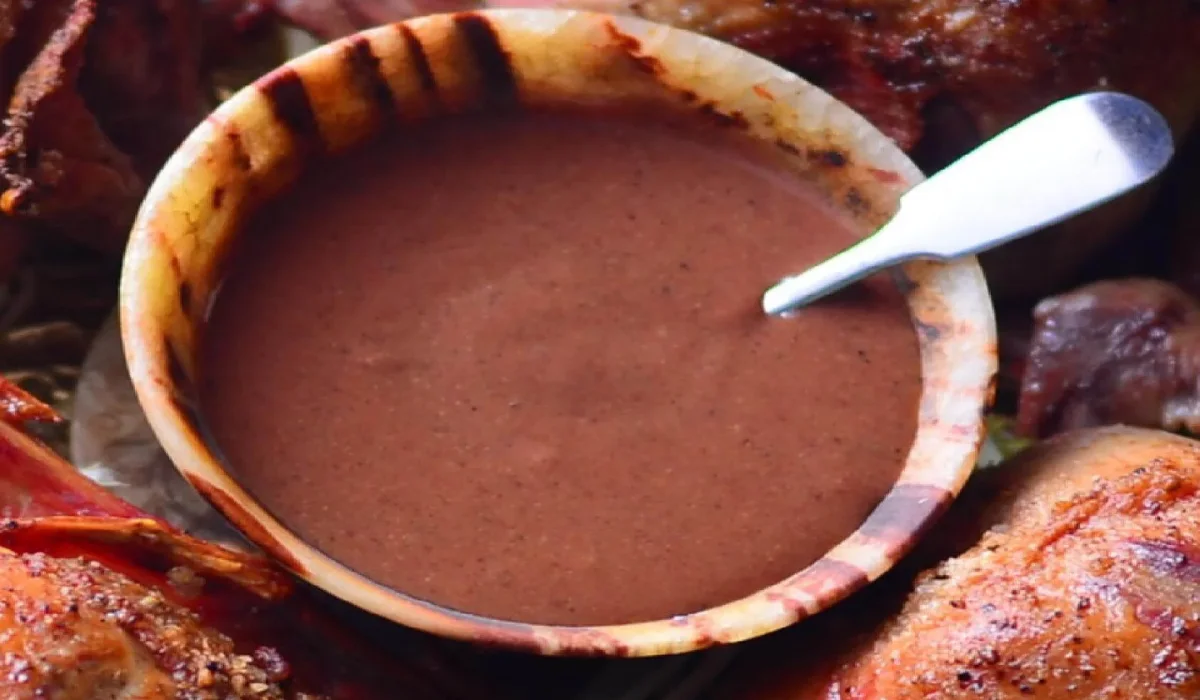
Cameline Sauce appears in Le Viandier, the book of cuisine by Guillaume Tirel. And no, there weren't any camels involved; the brown camahair color is all. Bakers powder these warm spices like cinnamon, ginger, cloves, and nutmeg on breadcrumbs, then they add some wine and verjuice (juice of unripe grapes) or vinegar and sprinkle it over roasted venison or beef.
Pommedorry: Meatballs Gilded Gold Over Open Flame
Pommedorry Another recipe in The Forme of Cury was pommedorry. Chefs shaped mince of beef or pork with pepper, raisins and currants into balls, boiled them, then skewered them on a spit and coated them with a batter of egg yolks and saffron. They roasted it until the surface was as shiny and yellow as gold. Pommedorry means "golden apples," but there was no apple in sight; they called it so because it looked like a shiny apple.
Cabbage pottage
Cabbage, being cheap and nutritious, has been a global delicacy for centuries. It's easy to find and packed with nutrients, making it perfect food for medieval peasants. A typical English cabbage dish was hearty stew called pottage, made by cooking cabbage with various humble veggies in a cauldron. Onions, leeks, and celery sometimes joined the mix, along with fresh herbs. Cauldrons, often associated with witches today, served as cooking vessels in poor medieval households, enabling simultaneous cooking of different dishes and providing light and heat. Both poor peasants and the wealthy used cauldrons, though the latter crafted theirs from higher quality materials. The wealthy prepared pottage with more luxurious ingredients like saffron or powder douce.
Primrose salad
These days, you can find a salad recipe to satisfy every craving - from arugula with sharp citrus dressing to creamy dill potato salad and crispy chicken with celery and scallions. In medieval rural England, you often lacked that variety. However, you often accessed a garden. There, a popular 12th-century salad would feature primrose. Primrose grows in the U.K. during winter and spring, with thick green leaves and light-yellow flowers that are edible. In medieval times, women combined primrose with garlic, fennel, rosemary, and lettuce, creating a beautiful salad akin to what many add to their diets today. Expect a slightly spicy flavor from the leaves and a pleasant sweet and mild flavor from the flowers.
Quince connate
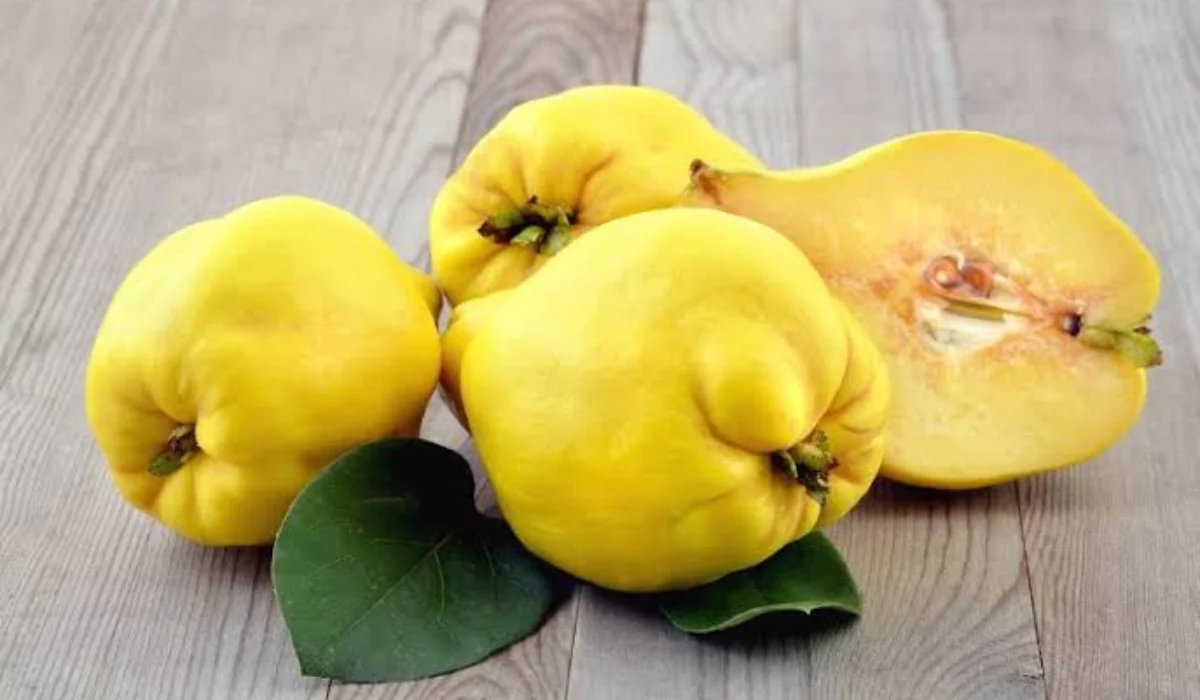
The British Museum holds a six-metre-long roll of parchment called the 'Forme of Cury', which is one of only ten remaining copies of the first cookbook written in Britain in the late 14th century. It contains recipes dictated to a scribe by the King's chefs, including cabbage pottage and a sweeter dish: Quince connate. This medieval dessert resembles Italian panna cotta and likely tastes just as delicious and creamy. Cooks made it by boiling quinces in lard until soft, sweetening with honey, adding egg yolks and saffron. The result was a fruity, custardy, and fragile dish. English connate was essentially identical to the medieval French dish condo Ignac, with cooks simmering quince in honey and adding red wine.
Benes yfryed
The "Forme of Cury" serves as an extremely handy and interesting text for people interested in medieval English cuisine. In addition to connate, it also contains a recipe for benes yfryed, Old English for fried beans. The uncomplicated dish consists of boiling the beans (probably fava beans), then sautéeing them with garlic, onions, and powdered douce (a mixture of costly spices, such as ginger and nutmeg). And that's all. The royal household offered some roasted beans fried in a bit of fat, which could then be served with gravy and roasted pork chops in red wine called cormarye. Cooks can easily replicate benes yfryed these days; however, you don't have to use fava beans. You may swap them out for black-eyed beans, cannellini beans, or whatever varieties of beans you might have lying in your pantry. Pair it with pork if you'd like, or maybe wilted greens, toasted walnuts, and a grating of cheese.
FAQ's
1. Weren't medieval dishes bland without spices?
Quite the opposite! Wealthy medieval cooks used imported spices like black pepper, cinnamon, ginger, and saffron lavishly to flavor meats and sauces.
2. Did they really use heavy spices just to hide rotting meat?
No, that's a myth. Spices were extreme luxury status symbols; wealthy hosts used them to show off, and spoiled meat would have ruined expensive spice blends.
3. What made medieval food so sweet and savory?
Cooks regularly mixed sweet and savory ingredients, combining fruits, sugar, vinegar, and heavy spices in the same meat or poultry dishes.
4. What was "mortrewes"?
It was a popular thick, savory stew made from pounded pork or chicken, breadcrumbs, eggs, and rich broth, heavily seasoned with spices.
5. Why did they use bread as plates?
Stale round loaves called "trencers" absorbed the rich juices and gravies of roasted meats during the meal before being eaten or given to the poor.
.