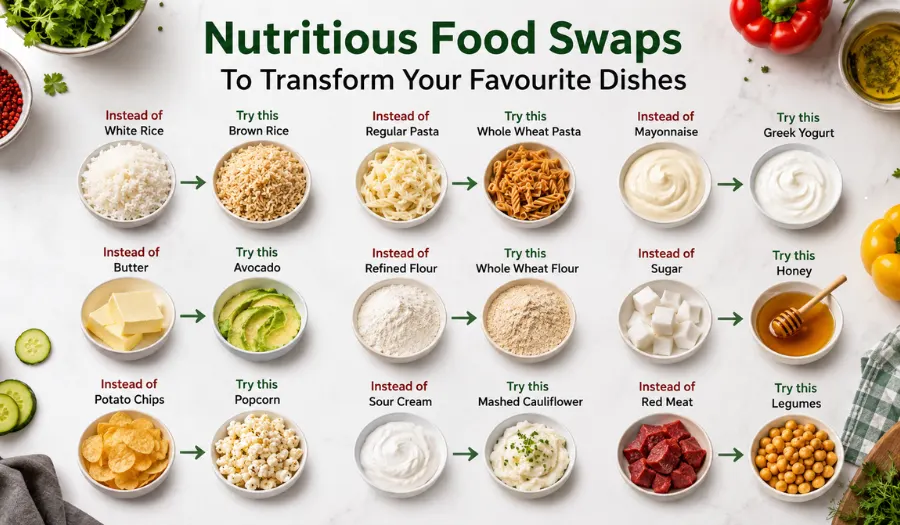

Too many of us eat too much sugar. On average, UK adults have approximately 50g (12.5tsp) of 'free sugars' each day – added sugar and sugar in fruit juice, honey and syrup – whereas the guideline recommends no more than 30g (roughly 7tsp). A sugary diet is associated with weight gain and tooth decay. There is obviously the problem of sweet foods tasting good, but reducing it is more achievable than most people think. Use our simple tips to successfully cut your intake.
Eat whole fruit for your sugar fix
The natural sugars in whole fruits and vegetables can be safer to consume since they also contain fibre and other nutrients. They tie into plant cells too, making them less concentrated and slow to enter your bloodstream. Lactose, the sugar found in dairy, is another natural (and generally healthier) sugar. However, many dairy products offset this by including additional sugar, so they're not completely off the hook here.
Don’t fall for the “healthier” sugar hype
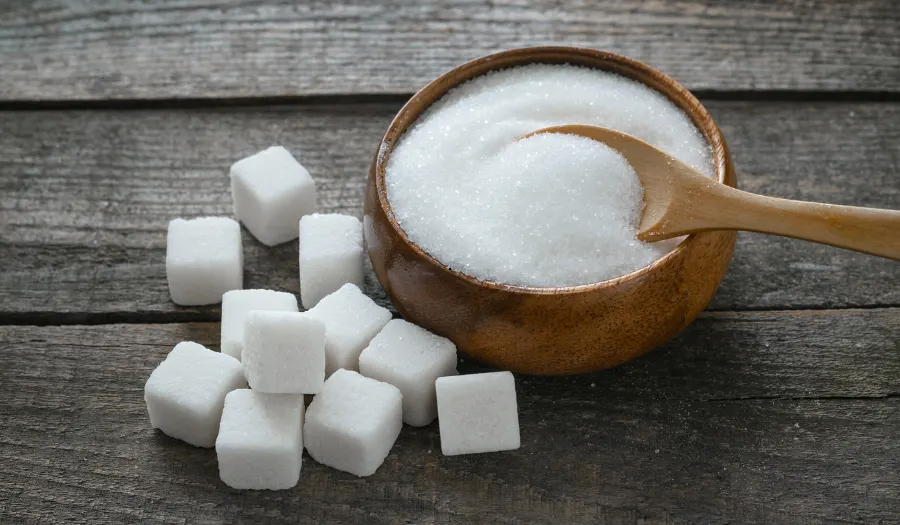
Whether in grain or syrup form it’s still ‘free sugar’. It still wreaks damage on our teeth and offers up extra calories. Some products which are still rich in free sugar include: A gave syrup, rice syrup, coconut sugar and palm sugar. All the above may seem healthier because they derive from natural products; however, they are just as sugary as demerara or caster sugar.
Know your food labels
UK food labels are a bit vague as they don't separate out free vs added sugar and just give a total sugar content - but there's still a basic rule you can follow. It states that a food is 'high' in sugar content if it exceeds 22.5g of sugars per 100g, 'low' if below 5g per 100g. In terms of traffic lights on a product, you will want to aim to keep your reds at a minimum. In the USA, food labels must present added sugar content for a foodstuff, providing this to individuals per serving.
Go slow and steady
Making small, slow changes works best when you try to cut back on sugar. Cut sugar from drinks slowly - in your tea or coffee for instance, a quarter of a teaspoon every two days. Likewise, gradually reduce how much cake, biscuits, and other sweet food you eat until the extremely sweet are no longer so tempting.
Say no to sugary drinks
The one source of sugar you must attempt to cut out completely is full sugar fizzy drinks. A single 500ml bottle of Coke has 53g (13.3tsp) sugar, which is 1.8 times your daily allocation, and contains 210 calories – with nothing to show for it. Studies suggest sugar-sweetened beverages are associated with childhood and adult obesity.
Rethink your toast toppings
Why add honey, jam or marmalade to your toast? Try peanut butter, Marmite or Vegemite instead, and your sugar intake will be reduced by an average of 4tsp (assuming the average 20g, the equivalent of 2 1/2 level teaspoons of honey is normally spread onto your toast slice).
Try healthy ices
Instead of sugar-rich ice cream or lollies, opt for frozen red grapes or slices of banana - a handful of frozen banana chunks blended in a sturdy blender makes brilliant one-ingredient "nice" cream. For delightful no-added-sugar ice pops in a granita style, you can also freeze watermelon on sticks.
Reach for malt loaf
This recommendation for a lower sugar treat snack originates from the Government's Change4Life campaign, which aims to help families have healthier diets. A slice of malt loaf makes perfect filling for the children's packed lunch but is also tasty for adults. This usually gives you about 5.4g of sugar per slice (which is just under 1 and a half teaspoons) – not all of this is from the dried fruit.
Save sweets for meals

A sweet food such as pudding or cake that people eat within a meal is preferable to a sweet that people eat on an empty stomach, as the foods accompanying meals help to buffer the effect of the fast-acting sugar entering the blood system. Eating the sweet within meals will also limit the number of sugar-and acid-attacks to which your teeth are exposed during the day.
Swap cake or biscuits for cereal
Not for brekkies, but the odd little bowl of sugary cereal with milk isn't entirely evil later on if it cuts you off from cake. So 30g bowl of nutty crunchy cornflakes with 125ml of milk is 11g (2.5 tsp) free sugar (-36% from a slice of battenberg), quarter to half recommended day's dose of a few B-vitamins, a sixth of the recommended daily iron and just under a fifth of calcium.
FAQ's
1. Why is reducing sugar intake important for overall health?
Cutting back on added sugars helps lower the risk of chronic conditions such as type 2 diabetes, obesity, heart disease, and non-alcoholic fatty liver disease. It also stabilizes daily energy levels, reduces inflammation, and prevents blood sugar crashes that often trigger fatigue and brain fog.
2. How can I identify hidden sugars in packaged foods?
Manufacturers often disguise added sugars under dozens of alternative names on ingredient labels. Look out for terms ending in "ose" like dextrose, fructose, and maltose, as well as high-fructose corn syrup, cane juice, malt extract, and various syrups. Ingredients are listed by weight, so if multiple sugar variants appear near the top of the list, the product is heavily sweetened.
3. Are natural sugars like honey and maple syrup better than table sugar?
While unrefined sweeteners like raw honey, maple syrup, and coconut sugar retain trace amounts of minerals and antioxidants, the human body processes them similarly to regular white sugar. They still cause a spike in blood glucose and provide identical caloric density, meaning they should be consumed in moderation.
4. What are the best healthy swaps for sugary snacks and sodas?
Replacing sugary beverages with sparkling water infused with fresh citrus slices, cucumber, or mint provides a refreshing alternative without the liquid sugar load. For sweet cravings, swapping candy bars for fresh whole fruit, Greek yogurt with berries, or a small square of dark chocolate (70% cocoa or higher) satisfies the palate while delivering fiber and micronutrients.
5. How long does it take for taste buds to adjust to a lower-sugar diet?
The palate typically recalibrates within two to four weeks of significantly reducing added sugars. Foods that once tasted mildly sweet may become overwhelmingly cloying, and natural flavors in fruits, vegetables, and plain dairy begin to taste much richer and more pronounced.
.