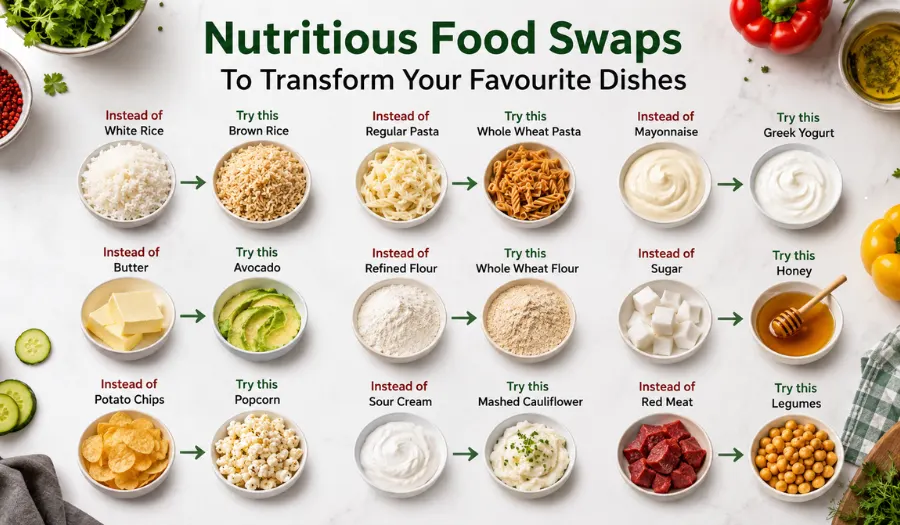
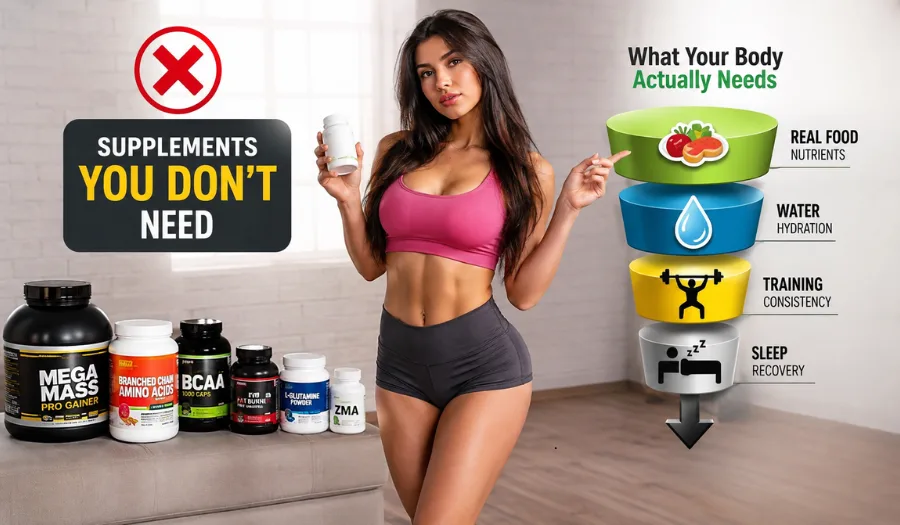
While it can be challenging to manage eating as healthy a diet as we may all aspire to, people perceive supplementation as a simple solution for compensating dietary deficiencies. However, researchers question the effectiveness of supplements – extensive studies have revealed they appear to be largely ineffectual for protecting against disease and that potentially too many interfere negatively with bodily equilibrium, and can even impair bodily ability to prevent ill health. What may be replaced to aid efficient nourishing within a food-based style…. Registered Nutritionist advises on supplements that could (and should) be shelved, with food and snack swaps that boost.
Know your nutrient needs
Of course, even though we know many supplements are a waste of money, sometimes supplements really do offer us the best of both worlds for a stronger immune system. For example, health organizations across the planet often recommend vitamin D, and they usually recommend that pregnant women, the elderly, and those with chronic health issues supplement key nutrients to give themselves the most advantage (listen to your healthcare professional’s recommendation). And, if a healthcare professional diagnoses a patient with a nutrient deficiency such as one with iron, supplementing can make quite the difference (remember to listen to medical advice).
Fish oils
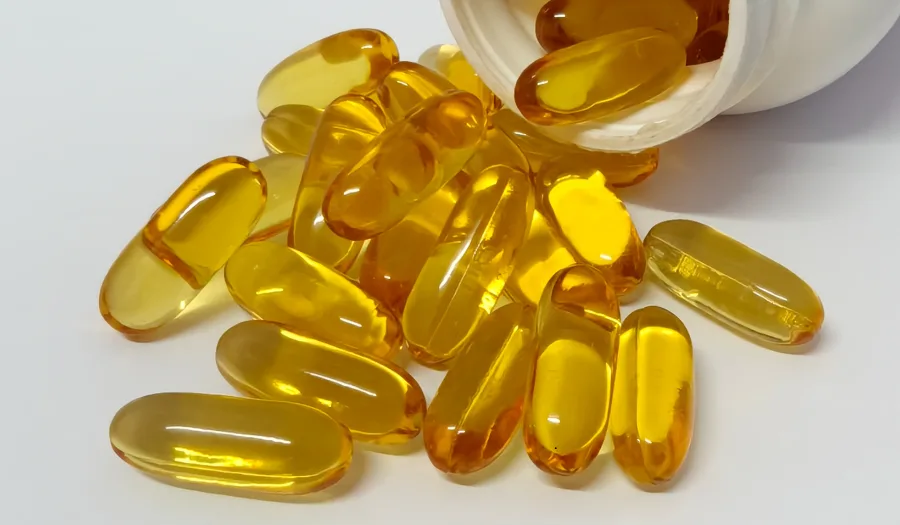
So many fish oils are out there; almost all contain Omego-3s: hyper-efficient fatty acids which in essence put inflammation – the root of the risk for heart attack, stroke as well as innumerable additional conditions – in its place. "Quite often, people just don’t regularly consume an adequate amount of oily fish - which is why I advise clients to purchase an oil dietary supplement (oils contain such beneficial Omego-3s)," advises holistic nutritionist, V.J. Hamilton. "However, the vast majority of commercial fish oil supplements these days remain rancid, as they can induce some much-needed inflammation in our bodies!"
Fish oils: a different way
Perhaps a tastier - some might even say healthier - way of achieving the required Omega-3 uptake: plenty of natural sources should be eaten – such as oily fish like grilled mackerel, tuna steaks and salmon fillets. Natural, available Omega-3 is had by our handy fish, combined with a mega whack of protein. Veggie (or vegan) options – The flax seeds, chia seeds and the humble walnut should be looked towards for Omega-3s alongside an array of other welcome micros that are loved by our bodies.
Vitamin B12
Boost Energy and Help Support Bone, Eye, Skin and Brain health with these B vitamin facts By Samantha Seto. Vitamin B12 plays an extremely important role in the body, including regulating the nervous system, reducing and combating energy slumps and mood swings, and supporting good bone health, as well as the health of the skin and eyes. Vitamin B12 occurs naturally in organic meat products such as meat, fish and shellfish, as well as eggs and dairy. This is why supplementation might particularly help individuals who do not eat any animal products, as well as people who have trouble with the proper production of stomach acid. "If your B12 is lacking, you may benefit from supplements - however without it being your primary concern you can wind up taking way too much B12 and that'll mask other issues," adds Hamilton.
Vitamin B12: protein-rich foods
If you’re vegan or simply want to curb your meat and dairy, you can introduce the following selection of great-for-you food options into your diet. "Fortified nutritional yeast or seaweed can be convenient food forms," adds Hamilton. "Measuring blood methylmalonic acid can indicate need of supplements."
Collagen
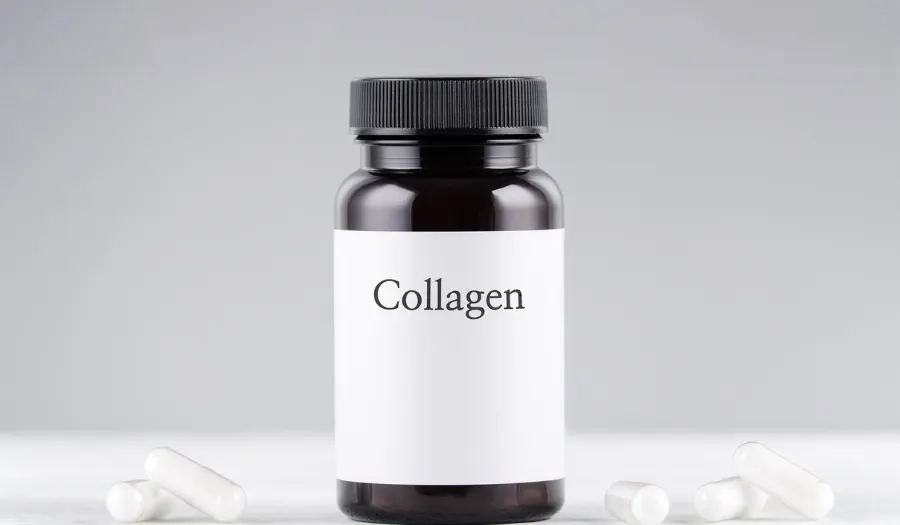
If you weren't born under a rock, you’ll have no doubt heard about all of the fuss that surrounds collagen pills and supplements in the anti-aging race. This unique form of protein is the building block that’s found throughout our body – in the skin, the bones, the nails and even the hair. Our bodies are technically capable of producing collagen, but taking collagen tablets or drinking collagen cocktails can potentially ‘top you up’ and boost your collagen production to give you plumper, and healthier hair and skin. The issue? No studies have established the body’s ability to utilize ingestible forms of collagen and turn it into new bodily collagen for use where required.
Collagen: delicious and nutritious
While experts still need to confirm whether supplements can restore our youthful glow – we certainly can eat food that provides our body with the amino acids we need to actually build collagen, and we may look to eggs, fish, meat, and poultry for ingredients that build collagen. We should note that legumes like soybeans provide a vegetarian option. Some might argue that this collagen quest licenses us to indulge in tasty bone broths and slow-braised pieces of meat and fish, all of which serve as sources of this protein (but will and do work within our bodies and not to actually build collagen).
FAQ's
1. Do I really need a daily Multivitamin?
No. For most healthy adults eating a balanced diet, multivitamins provide little to no health benefit and don't reduce the risk of chronic disease or early death. Most excess water-soluble vitamins (like B and C) are simply excreted in urine.
2. Are High-Dose Vitamin C supplements necessary to stop colds?
No. High-dose Vitamin C (like 1,000 mg packets) won't prevent you from catching a cold. At best, regular intake might slightly shorten cold duration by less than a day, but taking massive doses when symptoms hit is largely ineffective and can cause digestive upset.
3. Should I take Calcium pills for bone health?
Usually no, unless prescribed. Dietary calcium from dairy, leafy greens, and fortified foods is absorbed much better. Over-supplementing calcium via pills has been linked to potential risks like kidney stones and arterial plaque buildup.
4. Are Vitamin E and Vitamin A supplements safe and beneficial?
No, they can actually be harmful. Because both are fat-soluble, high doses accumulate in your body tissues rather than washing out. Studies show high-dose Vitamin E and Vitamin A (beta-carotene) supplements offer no cardiovascular benefit and can increase health risks.
5. Do detox tea or green powder supplements work?
No. Your liver, kidneys, and gastrointestinal system continuously detoxify your body naturally. "Detox" supplements are unproven, unregulated, and often contain laxatives or high concentrations of ingredients that can stress your liver.
.