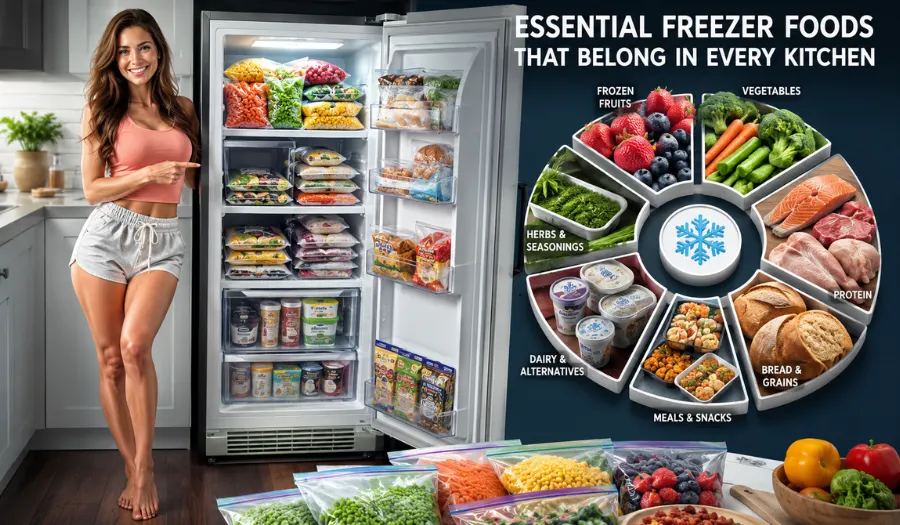
Fresh food sometimes attains a higher status than chilled, but studies have discovered that some fruits and vegetables thrive in frozen storage as nutrients remain largely preserved on your pantry shelf for long with no negative effect on your tastebuds at all. Vegetables of varying kinds, wonderful berries, as well as both animal meat and vegetarian proteins, here is how we have compiled a list of handy & beneficial foods worth your freezer!
Grapes
These frozen bursts of sweet flavor provide a great light option brimming with vitamin C and potassium, and they also serve as a superb substitute for ice lollies from the supermarket. Enjoy them on their own or as an addition to porridge or Birchers, as a topping on yogurt or at the end of a meal, or even add them to drinks instead of ice.
Cookie dough
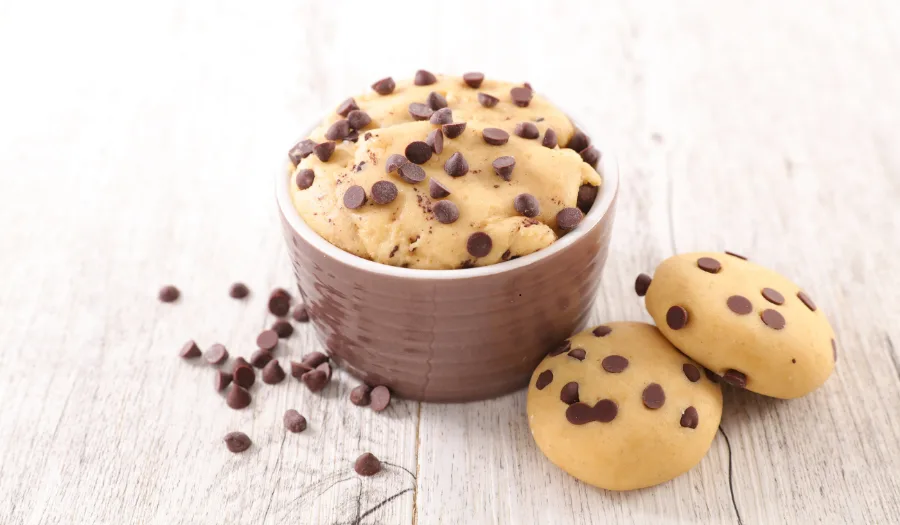
When making your next batch of your go-to cookies, consider making double the dough (just don't stack your cookies before freezing since they will cook in clumps). Once you prepare half of the raw cookies to bake or air fry, just pop them in either and no thaw time is needed.
Watermelon
Melons Though watermelon, naturally, has a fairly high-water content it still freezes extremely well. Watermelon, containing citrulline, which is good for blood pressure and the same Lycopene found in ripe tomatoes, could be put into smoothies or juices once frozen, or as is delicious in the form of an ice pop made by simply chopping into wedges with a triangular shape, the Lolly stick is put into the rind and frozen for a couple of hours.
French fries
Who doesn’t enjoy a French fry, and we suspect more than one child has been pacified by a packet unearthed from the back of the freezer during teatime. Not only are they ideal on a tight schedule, but freezing evens the heat in food which produces fluffier, softer chips with a crunch. Make yours as healthy as possible by opting for brands with no or few additives and try cooking them in the air fryer instead.
Stone fruits
The Plums, peaches, nectarines and apricots can be purchased from the frozen section of the supermarket sliced or purely pured, or you can even make your own at home. Not a huge lot of the flavour is lost through the freezing procedure, but sometimes the texture can be a tad unusual which is why many find that frozen fruits are best for crumbles, pies and compotes, rather than to be enjoyed as is when not in season.
Homemade pasta sauce
How to store summer vegetables You could preserve it as sauce… if it’s watery. Like Courgettis. Green beans… tomatoes are tricky to preserve fresh, but you could throw those into a fresh sauce… you can then freeze it and defrost it as needed to reheat for some ratatouille or vegetarian lasagne sauce… two really yummy meals that are really good to batch cook and have in ready for later on
Pastry
Brilliant for topping pies and making tarts, breakfast pastries and canapés, frozen ready-made pastry is definitely an easier option than homemade. This is especially true of puff pastry, which is notoriously tricky and time-consuming to prepare. Allow frozen pastry to defrost in the fridge overnight – once thawed, unfold gently and leave at room temperature for 30 minutes before using. If the pastry starts to crack, it needs more time to come up to temperature.
Broad beans
Broad beans (or fava beans) as they’re better-known, freeze very easily. Convenient and bursting with nutrients like plant protein, this very worthy veggie can claim plenty of other healthy properties too. From a surplus crop from your garden to a store of freezer bags, purchasing (or bagging up) this healthy nutrient boost guarantees you a veggie option with no loss in taste and with endless uses: from forming a soup, dip, pesto, into stews or to topping your salad.
Herbs
While freezing can slightly change the texture, if you freeze them properly, they’ll burst with fresh taste. “If the herb is quite stiff like rosemary or thyme, de-stalk them, and pack loosely into an airtight plastic bag. Most herbs retain most of their taste from freezing, even when defrosted,” recommend Tom and Chris. “For herbaceous herbs, chopping them and freezing them into ice cubes with either water or oil could also be a tasty option blended into risk, pastries or even stew!"
Blueberries
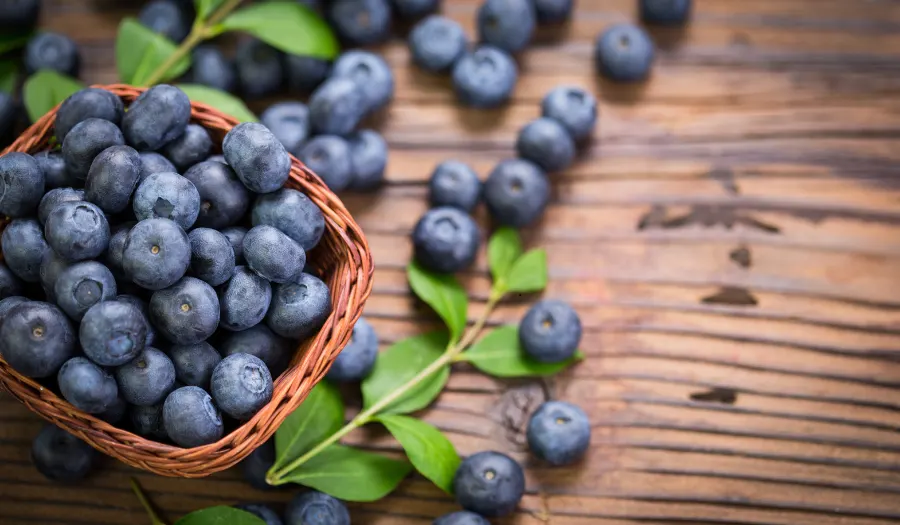
There are lots of perks of opting for fresh fruits and vegetables, but if these turn out too fresh that they’ll not only lose their flavour, taste, and vitamins shortly but go bad, then freezing becomes the only option to limit this. Blueberries freeze perfectly and are even good since they are a seasonal berry that the fresh frozen kind allows us to savour all year round. The ripe spherical berries are a good source of vitamin C and K1 along with other benefits that include enhancing brain functionality and Homemade stock warding off heart diseases.
FAQ's
1. What are the best frozen vegetables to keep on hand?
Frozen peas, spinach, corn, and broccoli top the list. They are flash-frozen at peak ripeness, preserving vitamins, and can be tossed directly into soups, stir-fries, and pasta dishes without thawing.
2. How long can frozen meat and poultry safely last?
Raw poultry and red meat retain optimal quality for 4 to 12 months in the freezer. Keep them wrapped tightly in moisture-resistant wrap or vacuum-sealed bags to prevent freezer burn.
3. Are frozen berries as nutritious as fresh ones?
Yes. Frozen berries retain virtually all their antioxidants, fiber, and vitamins because they are frozen immediately after harvest. They are ideal for smoothies, oatmeal, and baking.
4. What pantry staples can be frozen to extend shelf life?
Nuts, seeds, whole-grain flours, and butter. High-fat items like nuts go rancid at room temperature over time, but freezing preserves their oils and freshness for up to a year.
5. How do I prevent freezer burn on essential foods?
Remove as much air as possible before sealing packages, use heavy-duty freezer bags or airtight containers, and label items with the date they were frozen.
.