
With a wealth of cuts to consider and cooking methods ranging from braising to roasting, lamb is a truly remarkable and adaptable meat. But with such variety, how do you know whether you should select shoulder for a stew or leg for a roasting joint? And what temperature would be ideal for roasting these cuts? Thankfully, our ultimate cooking guide offers all the tips, tricks and recipe suggestions to ensure perfection when cooking any cut of lamb.
Lamb chops
A lamb T-bone - technically loin chops - comes from the portion of the sheep's short loin next to the leg and rack. A lamb shoulder chop features a bone in its center, and the butcher cuts the remaining pieces from a leg of lamb to go the length of a large muscle. Grill or barbeque the chops ideally. Marinate in your favorite herbs and spices and serve medium-rare.
Lamb chops: lamb with mint salsa
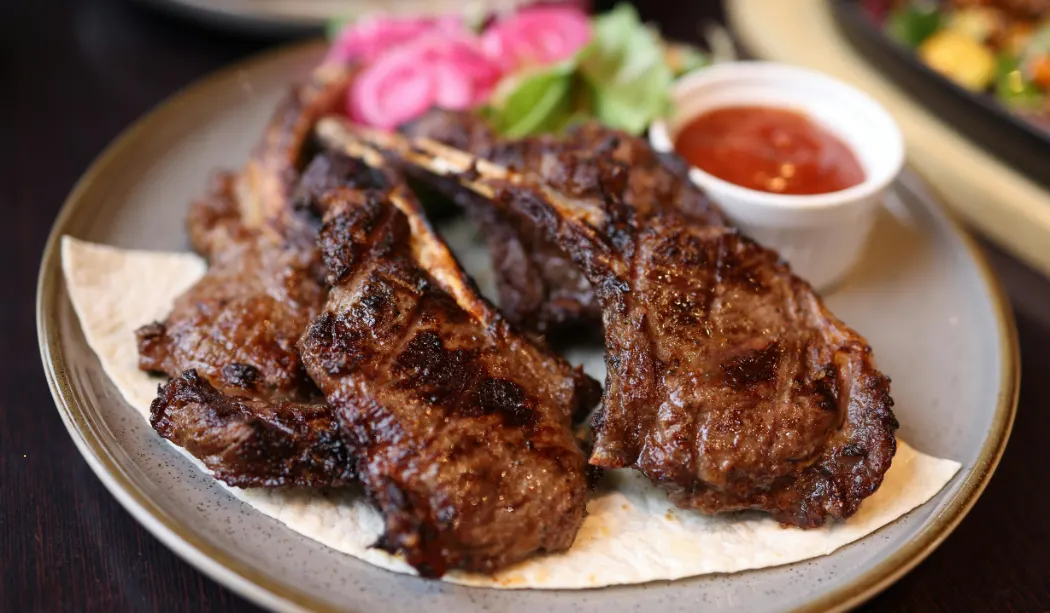
Our easy dish-15 mins to prepare and under 30 to cook: chargrilled lamb, new potatoes and watercress serve with a tangy mint salsa with fresh coriander, capers and lemon. You could put them all in a single serving bowl together for a simple, satisfying plateful-and it’s guaranteed to win around everyone.
Lamb chops: lamb and asparagus traybake
Lamb and asparagus are the yummiest, most darling of pairings - and using only 5 ingredients, this traybake lets the ingredients really take centre stage. It’s a quick and simple bake ready in 25 minutes. Serve with homemade mint sauce for even extra indulgence.
Lamb chops: lamb with tapenade
Lamb and olives work hand in hand all over the south of France – the only addition for this one comes naturally in the style of Provençal – a tapenade that you prepare especially and a beautiful thing at that. Using loin or lamb chops is ideal for the lamb, or you may find it far easier to source cutlets and leg steaks, and this will work beautifully with small new potatoes as an accompaniment and a clean radish and green bean salad.
Lamb cutlets
Like chops, lamb cutlets use up a very tasty section of the lamb – also from the rib. In fact, the lamb comes from precisely the same portion of the animal as the loin chop, but butchers trim these up and serve them whole still with the rib bone, often cleaning them up – a procedure sometimes referred to as a ‘French’ trim. Tiny as they are, lamb cutlets can cook up in a flash; really you can’t beat them griddled or barbequed, served up pink in the middle.
Lamb cutlets: rosemary lamb with roasted potatoes, peppers and salsa verde
The key to the success of the recipe is to leave the lamb cutlets in the olive oil, garlic and rosemary for as long as possible - preferably overnight. Roasted potatoes, peppers and onion in lemon, white wine and garlic are the best accompaniments, along with the brightly colored salsa verde. The lamb has to be grilled (or barbecued) high and hot for a matter of minutes, and then all is served together.
Leg of lamb
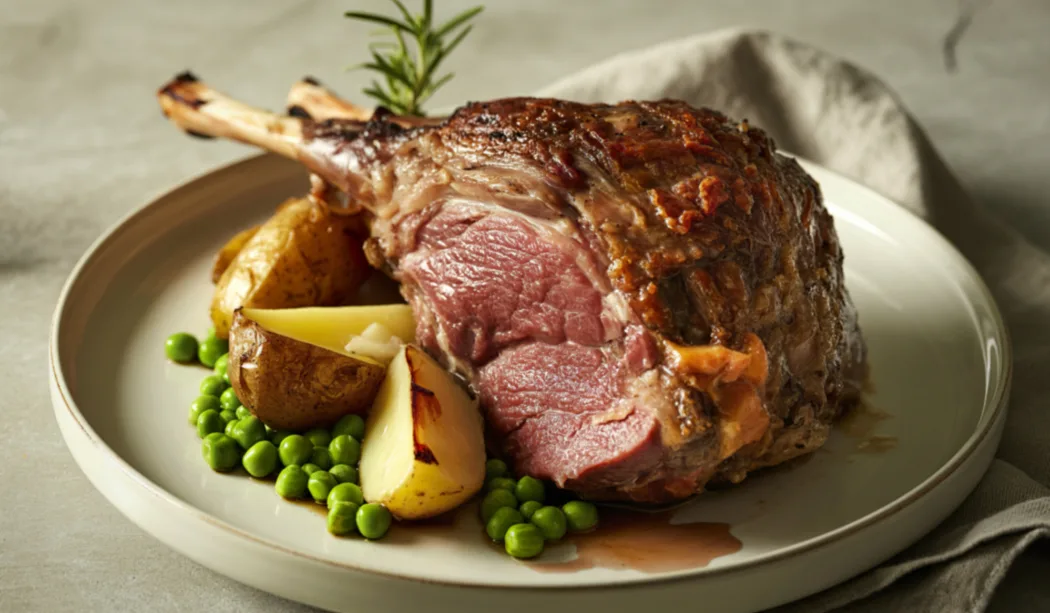
Fairly low-fat, leg of lamb dries out if you overcook it – keep a close eye on it. You can roast it on the bone, or you can debone it – a method also known as butterflying, of which we’re massive fans: when you open it out you have an even joint, which cooks more evenly (and much quicker), and enormous flexibility with how you flavour it with marinades, rubs, herbs, and aromatics.
Leg of lamb: roasting
Fancy just a plain roast leg? There is no exact way to know how the roast lamb is ready than with a meat thermometer – you push it into the thickest part of the meat and it should register at least 46C/ 115F (rare), 49C/ 120F (medium-rare), 54C/ 130F (medium) or 63C/ 145F (well done). You might find a rough guide – a 30-min-per-15-ounce (450g) roasting time will often give you some idea, in a 375-degree (190C) oven, but it’s far from foolproof. Most people prefer their roast lamb to be pink inside, crusty on the outside, left uncovered for 30 mins to rest before carving.
Leg of lamb: roast lamb with salsa verde
Salsa verde “green sauce” also traditionally finds its place on lamb. This is a potent Italian condiment that offsets the richness of the meat as its vinegar base sharpens and cuts through the animal’s unctuousness. It typically contains a combination of fresh herbs, vinegar, garlic, capers and olive oil. Any scraps can be repurposed for chicken or grilled halloumi.
FAQ's
What is the ideal temperature for cooking lamb?
The ideal internal temperature depends on your desired doneness. For medium-rare lamb, aim for 57°C to 60°C (135°F to 140°F). If you prefer it medium, target 63°C to 65°C (145°F to 150°F), and for well-done, cook it to 71°C (160°F) or higher. Always use a digital meat thermometer inserted into the thickest part of the meat, avoiding the bone, for the most accurate reading.
Why is resting lamb so important after cooking?
Resting allows the muscle fibers to relax and the delicious juices, which are pushed to the center during the cooking process, to redistribute evenly throughout the roast or chops. If you slice the meat immediately, all those flavorful juices will run out onto the cutting board, leaving your lamb dry. For best results, tent your lamb loosely with aluminum foil and let it rest for 10 to 15 minutes before carving.
How can I tone down the strong gamey flavor of lamb?
If you find lamb's natural flavor too intense, you can easily mellow it out with smart preparation. Marinating the meat for at least a couple of hours or overnight in acidic ingredients like lemon juice, red wine, or vinegar combined with robust herbs like rosemary, garlic, and mint works wonders. Additionally, trimming off excess surface fat before cooking significantly reduces the gamey taste, as much of that flavor is stored in the fat.
Should I bring lamb to room temperature before cooking?
Yes, taking your lamb out of the refrigerator 30 minutes before cooking is a crucial step for success. Cooking meat straight from the fridge puts a freezing cold center into a hot pan or oven, which causes the outer layers to overcook or burn before the inside reaches the right temperature. Bringing it closer to room temperature ensures even cooking from edge to edge.
What are the best herbs and spices to pair with lamb?
Lamb has a robust flavor profile that stands up well to bold seasonings. Classic pairings include earthy herbs like rosemary, thyme, oregano, and mint, as well as aromatics like garlic and shallots. For a warmer, spiced profile, try incorporating cumin, coriander, cinnamon, and smoked paprika, which are fantastic for Mediterranean or Middle Eastern-inspired lamb dishes.
.