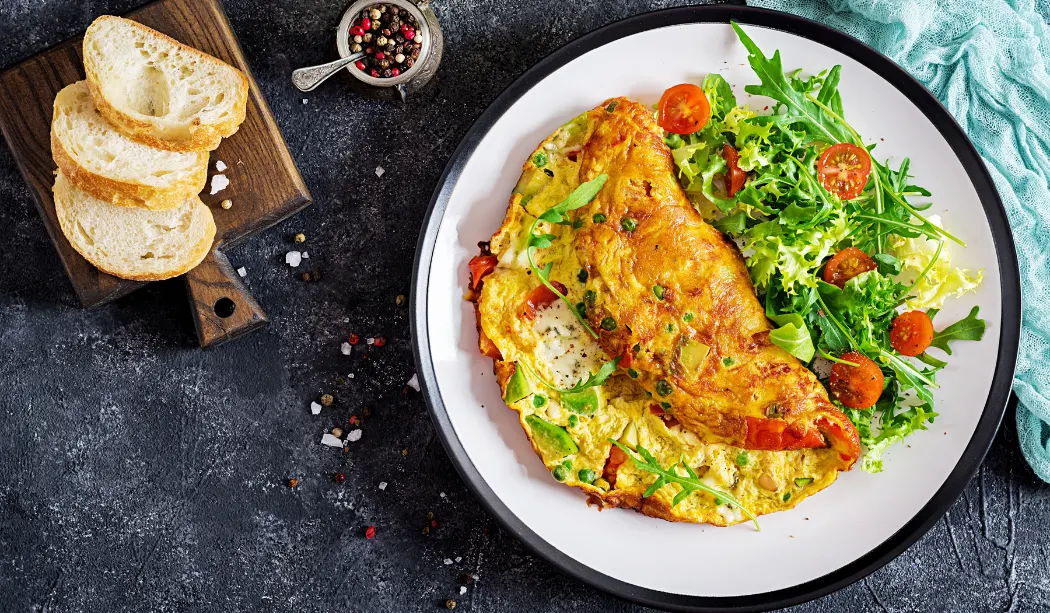

Whether on a pizza – all melted and stringy with ooey, gooshy mozzarella - packed inside a toastie of gooey Cheddar or adorning an epic grazing board with half a dozen exciting variations, we love cheese because it’s decadent, varied, adaptable and… well, pretty universally well-loved around the world for all these reasons and more. From hard to soft, blue to white, and all things gooey in between, these are our absolute favourites of all time (in reverse order, no less…).
Leipäjuusto, Finland
Another from Finland, this lovely produce is made with cow beestings - the initial milk a creature produces post calving. This cheese is quite mild hence, generally serves grilled, baked or flamed to help give it a golden crusty finish and also a subtle, smoky flavour. Leipjuusto is also occasionally called bread cheese, on account of its circular formation, and Finnish squeaky cheese thanks to the noise generated by a single bite. Often presents as an accompaniment to coffee, some small bits are thrown into the latter too.
Monterey Jack, USA
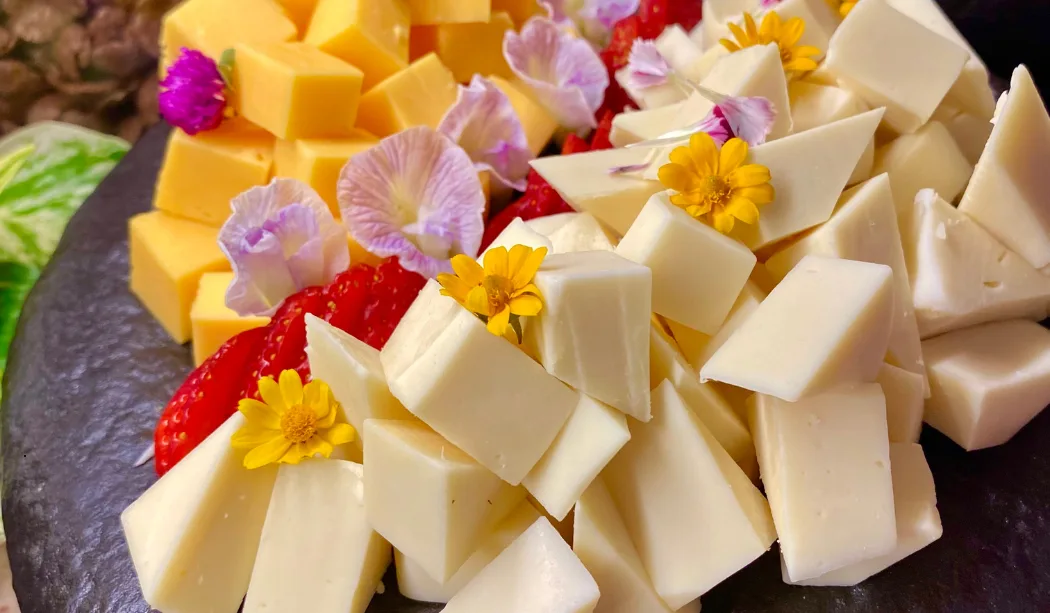
This creamy cheese has its roots back in California and is an American variety. Monterey Jack (Colby - see below) is a white, cows' milk semi-hard cheese with a mild, sweetish flavor, which most cooks commonly used as a cooking cheese to achieve a soft melt - it’s frequent in burritos, burgers, and the humble grilled cheese. Variations from the standard include dry Jack, which ages for four months to give it a slight Parmesan likeness and, most popularly, pepper Jack, which is a spicy version infused with chillies, peppers and spices.
Oaxaca, Mexico
Sourced from the region of Mexico to which it gave its name, Oaxaca is a semi-soft and low fat cheese with properties which echo those of mozzarella cheese. However it is marginally firmer and features a mild, sweet, buttery and buttery tang with mild salted undertones. Even though Mexico still dominates cheese making in this country, certain US dairy farmers are now making the balls of coagulated milk as well.
Ricotta, Italy
Wonderful about riccotta is that it is made from the whey which is a by-product of many other cheese making processes. It can therefore be made with all kinds of milk and consequently in many textures and flavours. Ricotta can be fresh and wet, or aged and semi-soft and it is used as much in cheesecakes and salads. A special ricotta, not to be missed is ricotta di bufala Campana made from the whey of buffalo mozzarella.
Cashel Blue, Ireland
Cashel Blue, County Tipperary, Ireland (US Name: Kerrygold Cashel Blue) Louis and Jane Grubb developed this multi award-winning beautiful cows' milk blue. The young version has firm, creamy, and slightly tart, classic ‘blue’ tastes. It develops to a creamier texture as it ages (as many as 6 months). It has big flavour but isn’t harsh, good enough for cooking. I particularly love it with piping hot roasted fresh figs - pure bliss.
Ossau-Iraty, France
Made in the French Basque Country, Ossau-Iraty is a semi-hard cheese made from sheep's milk. When young, this delicious cheese is smooth, creamy, nutty and grassy, with a floral hint. As it ages, it develops naturally occurring salt crystals and becomes crunchier and more complex. It has been a protected cheese since 1980 and is generally best for eating, not cooking. Ossau-Iraty works best paired with ripe figs or grapes.
Comté, France
Comte is a protected cheese from the Franche-Comte region in eastern France. It is a hard, nutty and fruity cheese which is only to be produced to specific standards. Makers must age it for 4 months, and this style of Comté lends itself to cooking, much like Gruyère or Cheddar cheese. The longer 24 month aged Comté however will be much more refined with complex tastes and is worthy of a place on any cheese board.
Cheshire, England, UK
Fist referenced as early as the sixteenth century, Cheshire is a hard, semi-firm white cheese originating from England. It has a rather crumbley nature and mild, salty flavour. While it typically accompanies the Christmas fruit cake, Cheshire works equally as nicely with a crisp apple or pear – its salt will always be good with something else that’s sweet. Some red & blue Cheshire’s do exist although they are found far less often.
Traditional Welsh Caerphilly, Wales
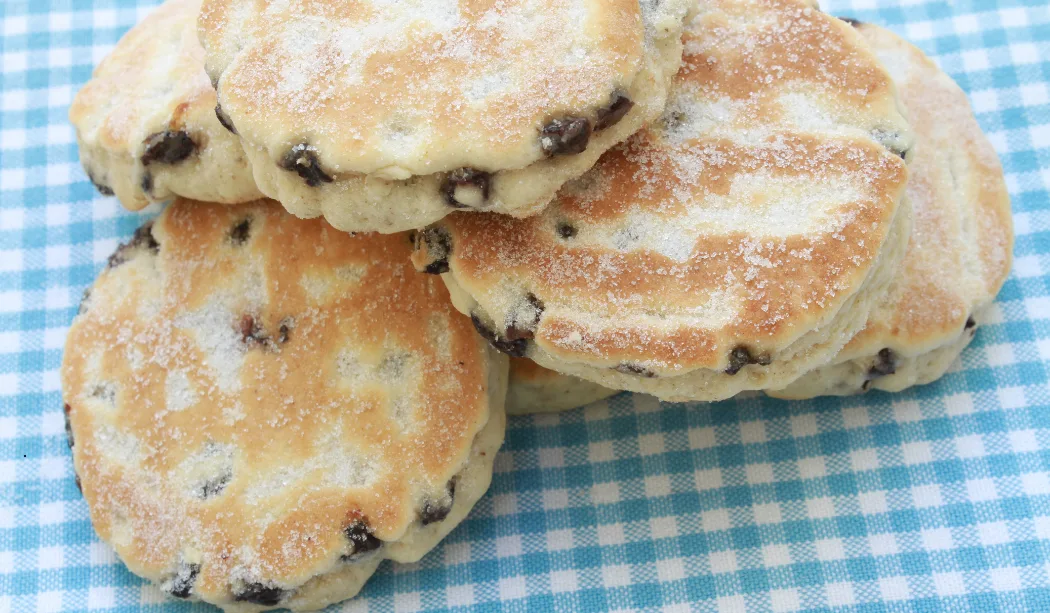
Caerphilly cheese first emerged in its Welsh namesake town, but producers moved it to England during World War II, and now it resides primarily in Wiltshire and Somerset. To be labelled True Welsh Caerphilly cheese, it must be produced using the milk of animals that graze within Wales itself. Caerphilly cheese is a fairly mature firm, milky, creamy, crumbly, hard white cheese with a good, sour tangy and delicious lemon-like taste with a soft buttery note as well. It’s worthwhile to investigate the artisanal varieties made in the pre-war traditional style of production.
FAQ's
1. What are generally considered the greatest cheeses in the world?
While titles change based on international competitions, global staples consistently top lists like the World Cheese Awards and TasteAtlas. These include Parmigiano Reggiano (Italy), Le Gruyère AOP (Switzerland), Roquefort (France), Comté (France), and traditional aged Cheddar (United Kingdom/USA). They are celebrated for their complex flavor profiles, strict regional production methods, and centuries-old heritage.
TasteAtlas
2. How is the "World's Best Cheese" chosen?
Major international events, most notably the annual World Cheese Awards and the biennial World Championship Cheese Contest, evaluate thousands of entries from dozens of countries. Expert judges—including cheesemakers, mongers, and critics—blind-taste the cheeses, scoring them anonymously on criteria like appearance, texture, aroma, and flavor complexity.
World Championship Cheese Contest+ 1
3. Why are European cheeses often ranked among the best?
Many of the world's greatest cheeses are protected by strict geographical indications (such as PDO/AOP in Europe). These laws mandate that the cheese must be made using specific milk from local animal breeds, grazed on regional grasses, and aged under precise environmental conditions. This deep connection to terroir (land and climate) gives them unique qualities that cannot be replicated elsewhere.
4. Are non-European countries producing world-class cheeses?
Yes. While Europe has a historic monopoly on legacy cheeses, countries like the United States (particularly artisan makers in Vermont and Wisconsin), Japan, Australia, and various Latin American regions frequently win Super Gold medals at international contests for exceptional cheddars, blues, and innovative goat cheeses.
5. What makes a cheese exceptionally expensive or sought-after?
Price and prestige are usually driven by labor intensity, aging time, and scarcity. For instance, rare cheeses aged for over 36 months (like extra-aged Parmigiano Reggiano or specialized Alpine wheels), those made from limited seasonal milks, or cheeses aged in natural underground caves require immense time and specialized care, yielding high demand among connoisseurs.
.